


Part of gas-powered cars since the beginning. But, how do they work?
Every regular-production gasoline-powered vehicle* has one thing in common: Spark plugs.
What is a Spark Plug?
How Do Spark Plugs Work?
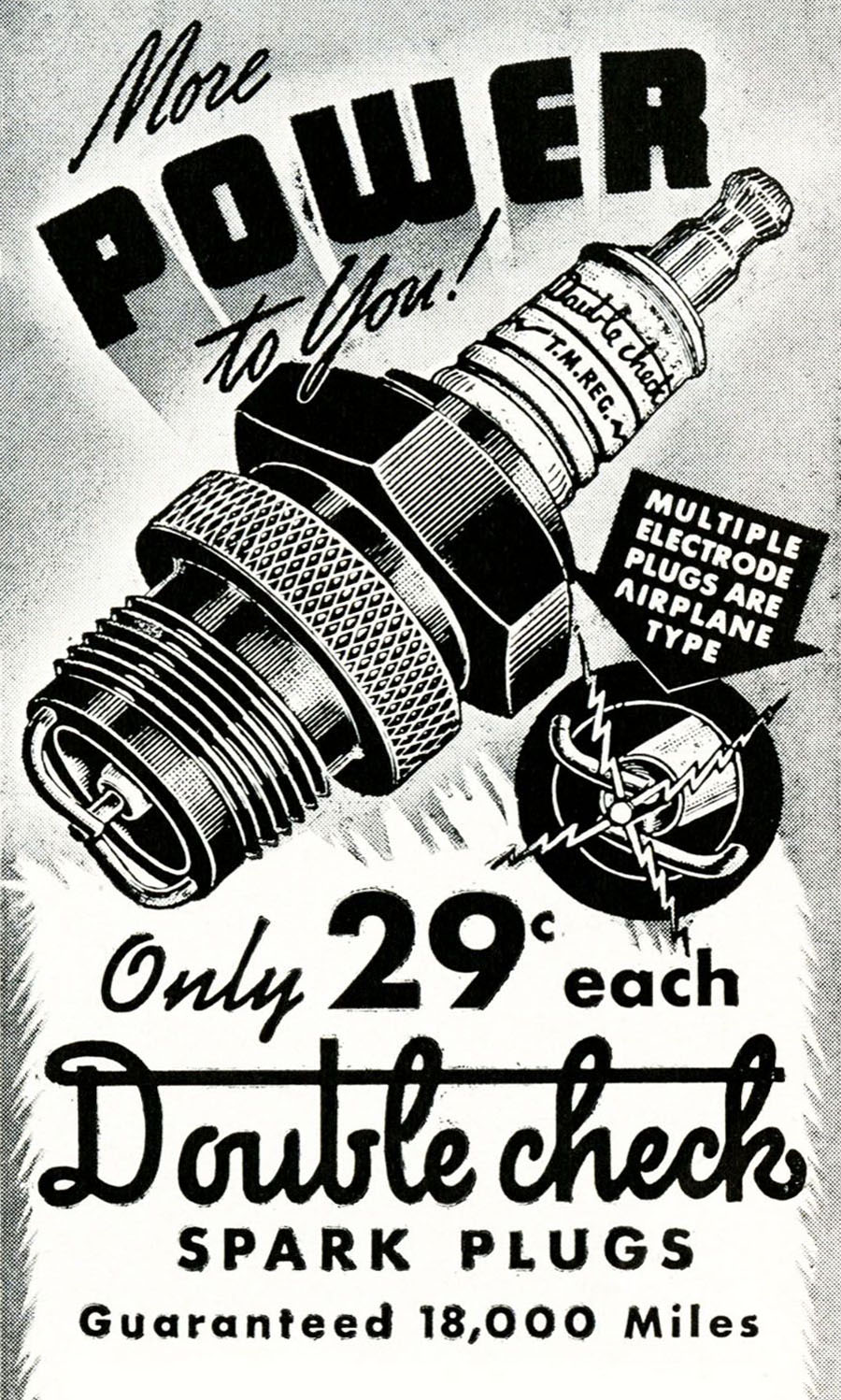
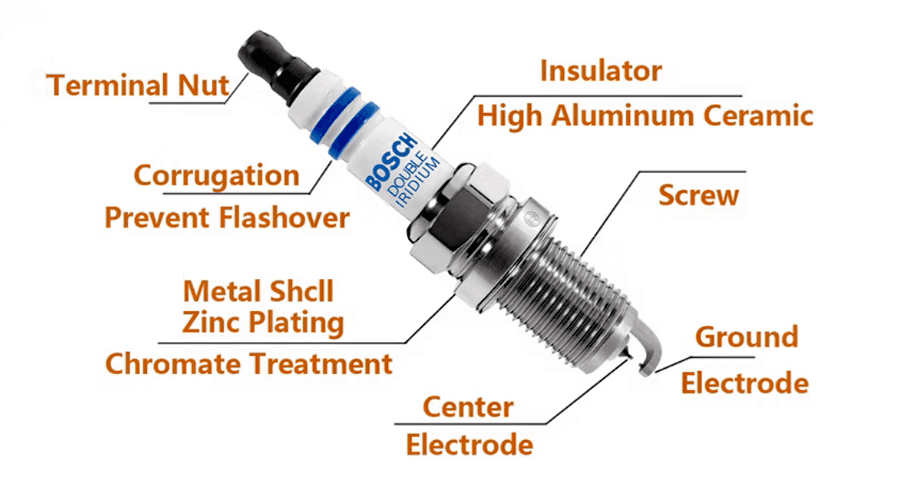
A spark plug is a small but critical electrical component found in gasoline internal combustion engines. It delivers a high-voltage electric spark into the engine’s combustion chamber to ignite the compressed air-fuel mixture, which creates the controlled explosion that drives the pistons and powers the vehicle.
Over time, spark plugs wear out from heat, electrical arcing, and accumulated deposits, which can lead to misfires, reduced fuel efficiency, rough idling, or hard starting.
 How Often Do Spark Plugs Need Replacing?
Replacement intervals vary significantly based on the type of spark plug:
- Material
- Copper-core plugs generally require more frequent attention, while platinum-, iridium-, and ruthenium-cored examples last much longer
- Specific model and engine
- Driving conditions
- Frequent short trips, towing, or extreme temperatures can shorten plug life
Types of Spark Plugs
General guidelines for late-model car plug replacement:
- Copper-core plugs: Every 30,000–50,000 miles
- Platinum or iridium plugs: 60,000–100,000 miles
- Extended-life plugs: 120,000–200,000 miles
For the best information regarding spark-plug service life, consult your owner’s manual.
Many manufacturers now recommend 80,000–100,000 miles for routine replacement on newer vehicles, and some vehicles may only need them changed once or twice over the vehicle’s lifetime. Again, always check your owner’s manual for the exact schedule—it’s the most accurate source of information for your specific car.
Signs Spark Plugs Need Replacing
Signs it’s time to replace them sooner include:
- Rough idle or engine shaking
- Poor acceleration or hesitation
- Decreased fuel economy
- Difficulty starting the engine
Regardless of the cause, these symptoms suggest a visit to the shop is warranted.
Spark-plug maintenance helps ensure smooth performance, better mileage, and prevents damage to other vehicle components such as the catalytic converter.
*Note that over the years, carmakers have worked to develop compression-ignition engines, which operate like diesel engines and did not require spark plugs. Mazda’s Skyactiv-X engine comes close, employing both compression ignition and spark-plug detonation–that latter to ensure correct timing of combustion. The Skyactiv-X engine is not offered in any U.S.-market Mazda offering.
Listen to the Car Stuff Podcast

