


The Perodua QV-E is not only the first model from the automaker to be designed and engineered in-house, it’s also Malaysia’s first locally developed electric vehicle (EV).
Despite looking vaguely like a squished Toyota C-HR, the QV-E isn’t based on a Daihatsu, like all Perodua models have been until now.
The QV-E’s platform was developed in conjunction with Magna Steyr, and can, reportedly, with a few modifications support hybrid and range-extender EV drivetrains.
Measuring QV-E 4170mm long, 1800mm wide, 1502mm tall, and riding on a 2680mm wheelbase, the QV-E stays true to Perodua’s tradition of producing small city-friendly vehicles.
Driving the front wheels is an electric motor that makes 150kW and 285Nm. Although these aren’t Earth-shattering numbers, the QV-E’s 0-100km/h time of 7.5 seconds means it is the fastest Perodua ever.
Under the floor is a 52.5kWh lithium iron phosphate (LFP) battery from CATL. Perodua claims the QV-E has a range of 370km according to the WLTP standard. AC charging up to 6.6kW is supported, while DC fast charging maxes out 60kW.
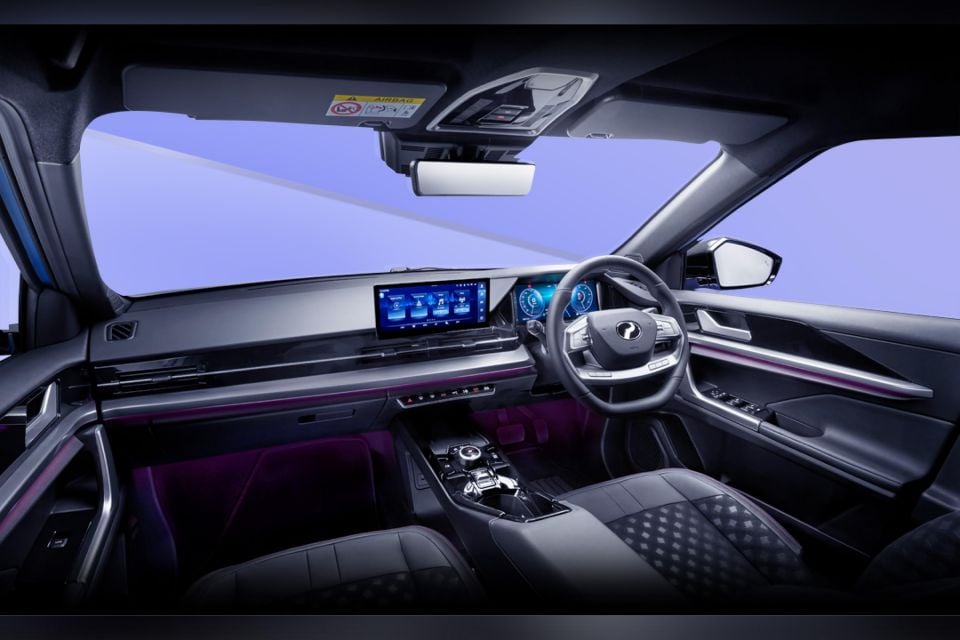
On the inside, there’s a number of firsts for the brand, including leather seats, and a digital rear-view mirror. Other features include a 10.25-inch infotainment touchscreen, electric driver’s seat, 360-degree camera, autonomous emergency braking, traffic jam assist, lane departure warning, adaptive cruise control, and 18-inch alloy wheels.
The QV-E will be priced from 80,000 ringgit (A$29,600), making it, you guessed it, Perodua’s most expensive car to date.
In order to keep the QV-E’s price low, the battery remains Perodua property and is leased to the car’s owner for 297 ringgit (A$110) per month. As part of the battery lease, Perodua will replace any batteries that drop below 70 per cent health.
Developed at a cost of 800 million ringgit (A$296 million), the QV-E was spurred by the Malaysian government’s desire for the local auto industry to jump into local EV manufacturing.
It will be interesting to see if Perodua meets its eventual sales target of 3000 per month as the QV-E is more expensive than the similarly-sized e.Mas 5 — basically a rebadged Geely EX2 — from local rival Proton. The e.Mas 5 kicks off at 56,800 ringgit (A$21,000), and includes a 30kWh battery with a driving range of 225km (WLTP).
Perodua — literally second automaker — was founded in 1993, ten years after Proton, the national car maker. With its almost exclusive focus on small city cars, and a lineup of restyled Daihatsu models, Perodua has overtaken Proton on the sale charts.

