


BYD will challenge tariffs in the United States which effectively prevent the automaker – and other brands from China – from selling cars in the world’s second-largest market.
According to CarNewsChina, which cites reports from Caijing in China, four US-based BYD subsidiaries have filed a lawsuit against the federal government in the US Court of International Trade (CIT).
If successful, it could open up the US – second only to China in terms of sales, with around 16 million new vehicles sold annually – not only to BYD but other Chinese automakers currently locked out of the market by tariffs and other legislation.
The lawsuit challenges nine executive orders made since February 2025 – including tariffs on imports from Mexico and Canada heavily impacting the automotive industry.
CarExpert can save you thousands on a new car. Click here to get a great deal.
The US government introduced new automotive-specific tariffs in April 2025, adding tariffs on automotive parts the following month. These were in addition to so-called ‘reciprocal’ tariffs, which the BYD suit is also challenging, along with subsequent ‘retaliatory’ tariffs.
The current standard US import tariff on a Chinese-made EV is 127.5 per cent, compared to zero in Australia, given we have a Free Trade Agreement (FTA) with China.
BYD is seeking permanent injunctions against the tariffs and says the International Emergency Economic Powers Act (IEEPA) under which they were imposed doesn’t provide the statutory authority to impose tariffs.
Therefore, argues BYD, the tariffs are legally invalid.
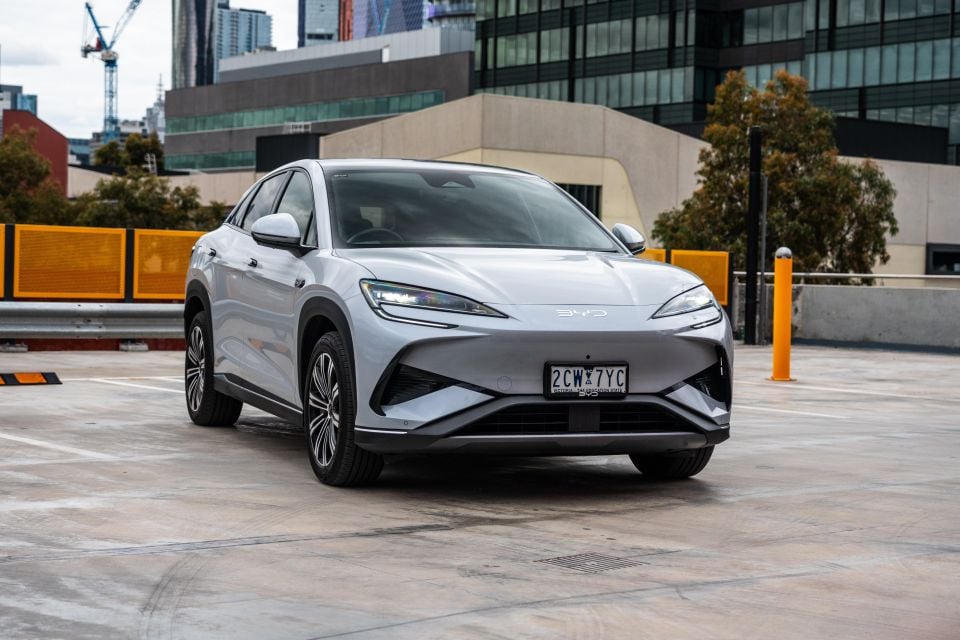
In mid-2025, BYD paused plans for a manufacturing plant in Mexico amid uncertainty caused by several changes to the tariffs, which US automaker Ford said cost it an additional $US2 billion ($A2.83 billion) in 2025.
Ford said late policy changes in December 2025 added to tariff costs, which were $US900 million ($A1.3 billion) more than anticipated earlier in the year, while US rival General Motors said its entire $US1.68 billion ($2.37 billion) loss between April and June 2025 was due to tariffs.
BYD’s lawsuit is also challenging the validity of tariffs on India and Brazil, with the automaker operating assembly plants in both countries.
A ‘stay order’ has been placed on the case, which was filed on January 26, 2026, pending the outcome of a New York wine importer making a similar argument, with other cases also on hold pending its outcome.
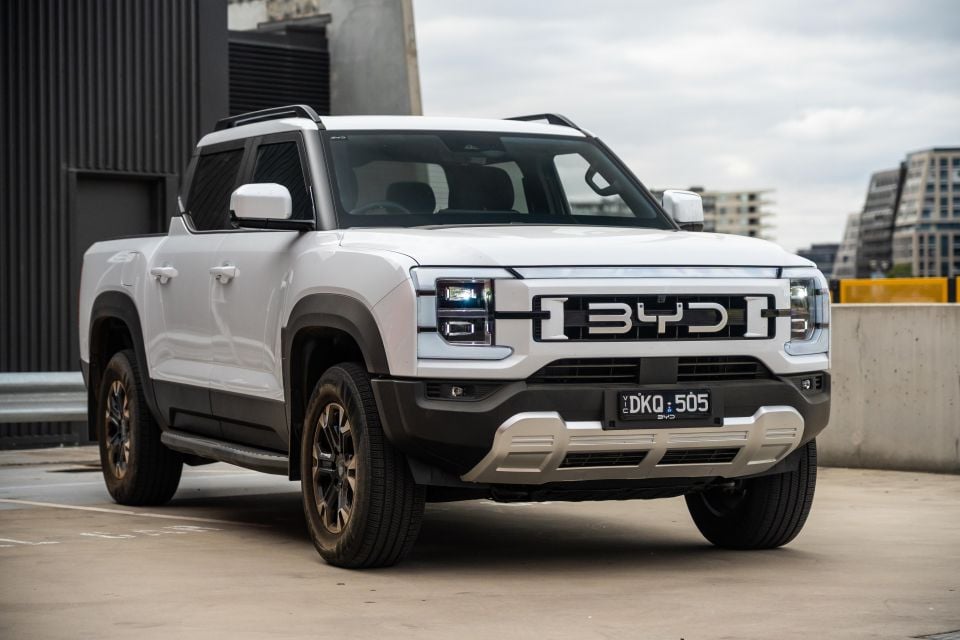
The New York wine importer has already won in the CIT and Federal Court of Appeals, which determined the US President lacks the authority to impose tariffs under IEEPA – just as BYD is arguing in its case.
The US government has appealed the outcome of that case, which is currently scheduled to be heard on September 30, 2026 – meaning the outcome of the BYD case won’t be known until the following month at the earliest.
In 2024, then US President Joe Biden moved to prohibit software and hardware from China in cars based on ‘security’ concerns, an issue recently raised in Canada after it slashed tariffs from 100 per cent in 2024 to 6.1 per cent.
According to Automotive News, Ontario Premier Doug Ford saw the move, which allows up to 49,000 Chinese-made cars into Canada annually, as a mistake, with some commentators suggesting Canada will serve as a ‘back door’ to the restricted US market.
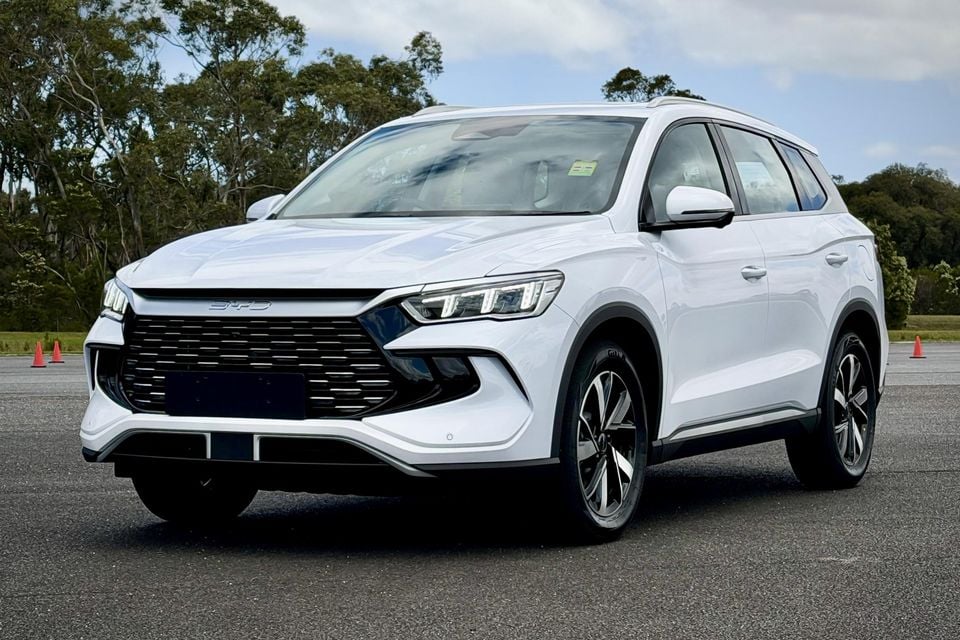
“I call it the spy car that they’re bringing in,” Mr Ford said, according to Automotive News.
“When you get on your cell phone, it’s the Chinese that are going to be listening — and I’m not making this stuff up … They’re going to be listening to your telephone conversation.”
The Australian Privacy Commissioner said yesterday it’s investigating two automakers over potential breaches of privacy law but didn’t identify the brands involved.
MORE: Explore the BYD showroom

