


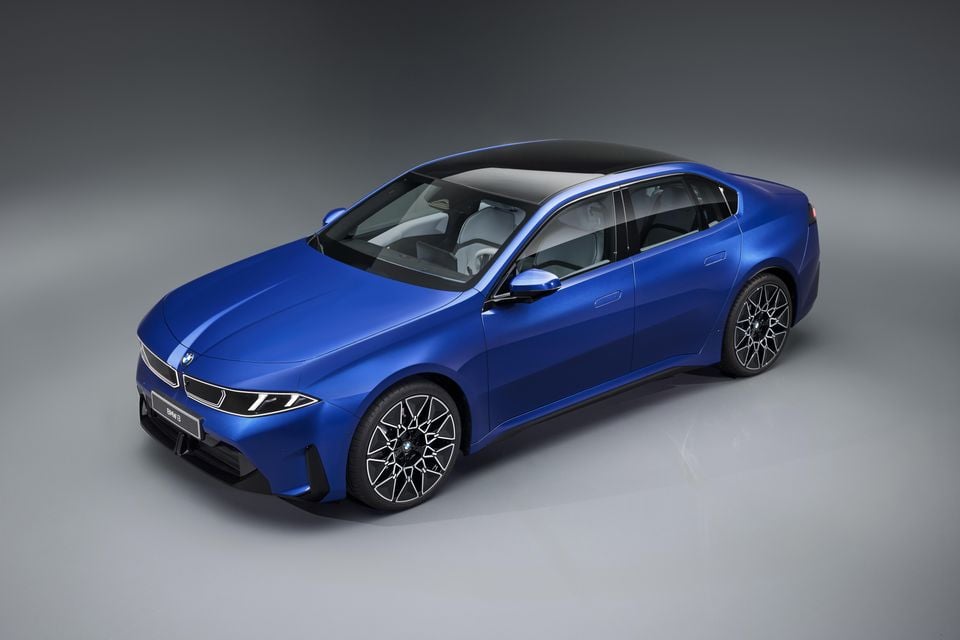
The 2027 BMW i3 was revealed this week as an all-new electric sedan, and the lineup is set to expand not only with additional powertrains but also another body style.
BMW flashed up a shadowy teaser of an i3 Touring wagon at the i3 sedan’s global reveal, however, sources have told Autocar there’ll be no direct replacement for the existing i4.
Related to the existing combustion-powered 3 Series and 4 Series lineup, the i4 is a battery-powered mid-size five-door liftback and not a four-door sedan like the new i3. However, given the i3 and i4 occupy the same segment, the older nameplate will be retired.
Autocar reports word from sources that i4 production in Munich will end next year. At some point, the i3 Touring will enter production at the same plant.
The shadowy teasers show a sleek wagon silhouette with similar tail-lights to the i3 sedan.
CarExpert can save you thousands on a new car. Click here to get a great deal.
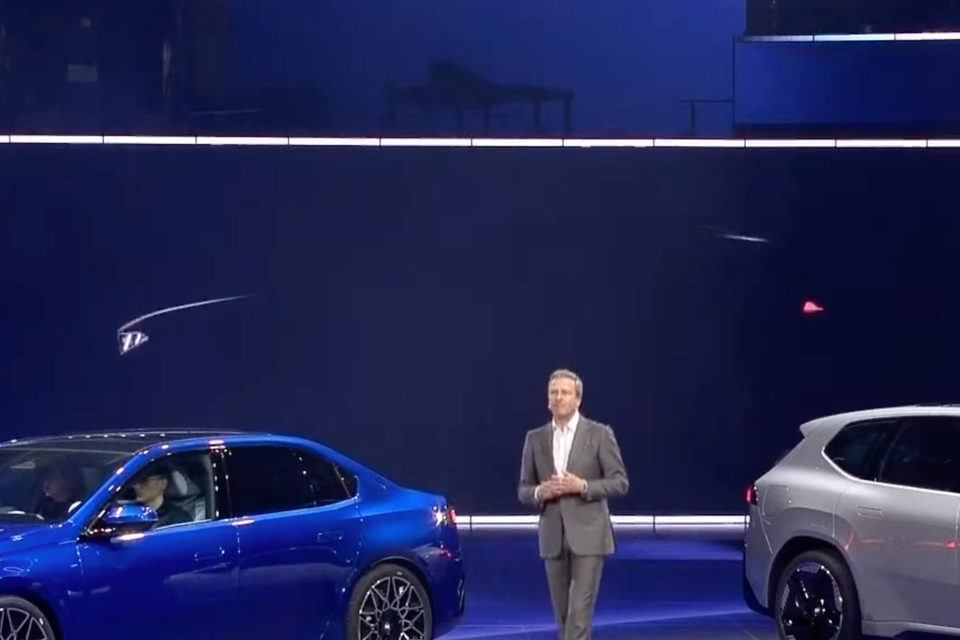
Its introduction will give BMW two electric wagons, with the i3 Touring slotting in under the i5 Touring.
“When you look back on the last 20 years, you always had new models coming in and old models phasing out,” BMW Group product boss Jochen Goller told Autocar regarding the i4’s departure.
“So I think this is part of the history of our industry. And what you will always see is the volumes of the existing cars, in this case the i4, phasing out, and then [the new i3] clearly ramping up. But as with every model, that was already factored into our planning.”
While the current i4 is being phased out, Autocar reports BMW is working on a new 4 Series that will offer both combustion and electric power so the i4 will live on in spirit.
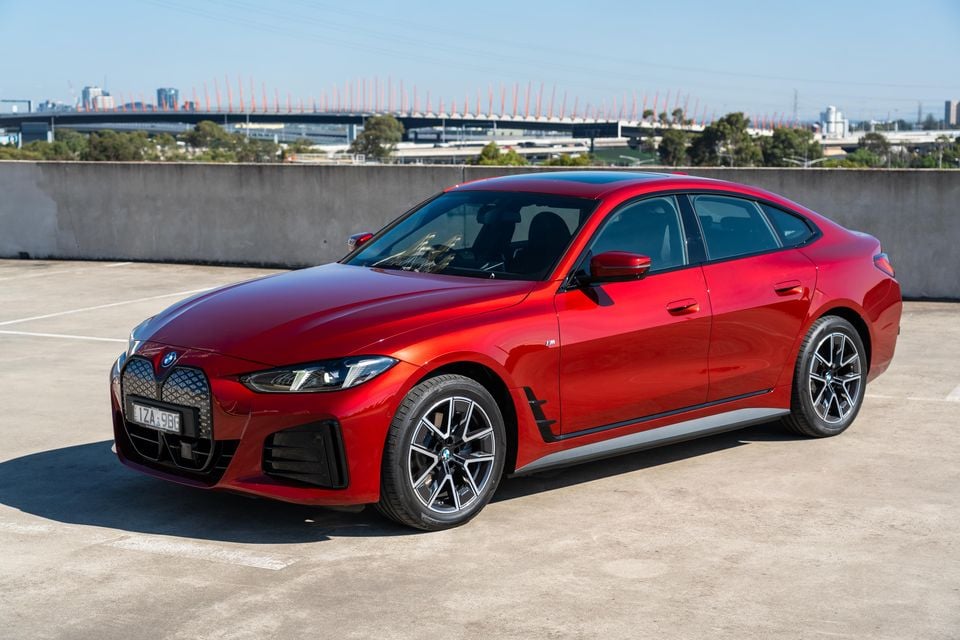
It’s unclear whether it will continue to offer the full range of current 4 Series body styles, which comprise two-door coupe and convertible options plus the Gran Coupe five-door liftback upon which the i4 is based.
Mr Goller told the UK publication that BMW’s strategy is to offer each of its models with a mix of powertrains and the same design regardless of powertrain.
The current combustion-powered 3 Series, for example, will receive an update so heavy it will be “basically a new car”, BMW engineers told Autocar.
That means BMW will offer combustion-powered vehicles styled similarly to its new Neue Klasse EVs. It already follows a similar strategy with its Mini brand, where the internal combustion-engined (ICE) and electric versions of the Cooper hatch are virtually indistinguishable despite being on different platforms.
Mini’s Countryman also looks essentially the same in ICE or EV form, though both ride the same platform. That’s similar to many of BMW’s existing EVs, including the previous-generation iX3 which shared its platform with the ICE X3 and had only minor aesthetic differences.
The new i3 shares the Neue Klasse platform with the new iX3 mid-size SUV, and has been revealed initially in dual-motor all-wheel drive 50 xDrive guise with 345kW of power and 645Nm of torque.
While BMW hasn’t specified battery capacity or chemistry for the i3, the iX3 50 xDrive – which is based on the same Neue Klasse EV platform and features the same dual-motor powertrain with the same outputs – employs a 108kWh nickel manganese cobalt (NMC) battery.
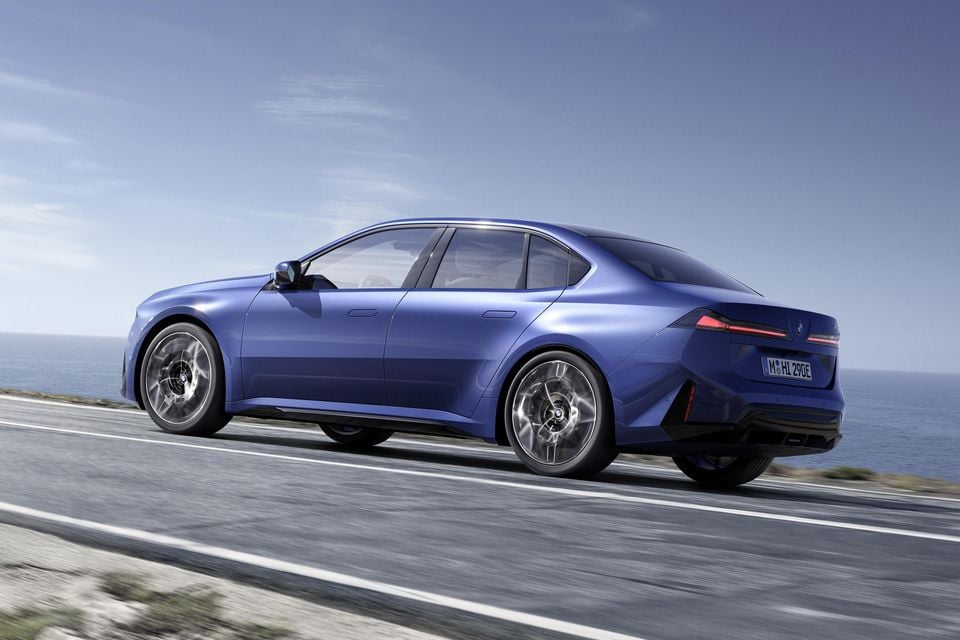
The i3 will join the iX3 due on sale here later this year. The sleeker shape of the sedan has resulted in an increase in range of 95km over its SUV sibling for up to 900km of WLTP range.
The electric sedan incorporates an 800V electrical architecture and a battery that can be charged at up to 400kW on DC power, which will allow up to 400km of range to be added in a claimed 10 minutes, and at up to 22kW on AC power.
It also features bidirectional charging with vehicle-to-load (V2L), vehicle-to-home (V2H) and vehicle-to-grid (V2G) functionality; local details on this capability will be announced “in due course”, says BMW Australia.

